Westfield Develpments: Proposal for a White City by The Windowless Consultant


The first pre-echoes come in the Underground, my first visit to the station in years. Not only the posters, presumably mostly shared across the network, the sudden deafening lurches of massive speed, but also the carefully tiled stripes, systems of convex mirrors, alignments of walls and voids appear almost deliberately to stage an effect that, having as yet not ventured out, I could only call strange, not yet able to identify it as something tending to undermine senses of difference, distance, stillness and motion, original and image, penetrable or not, surface and depth.

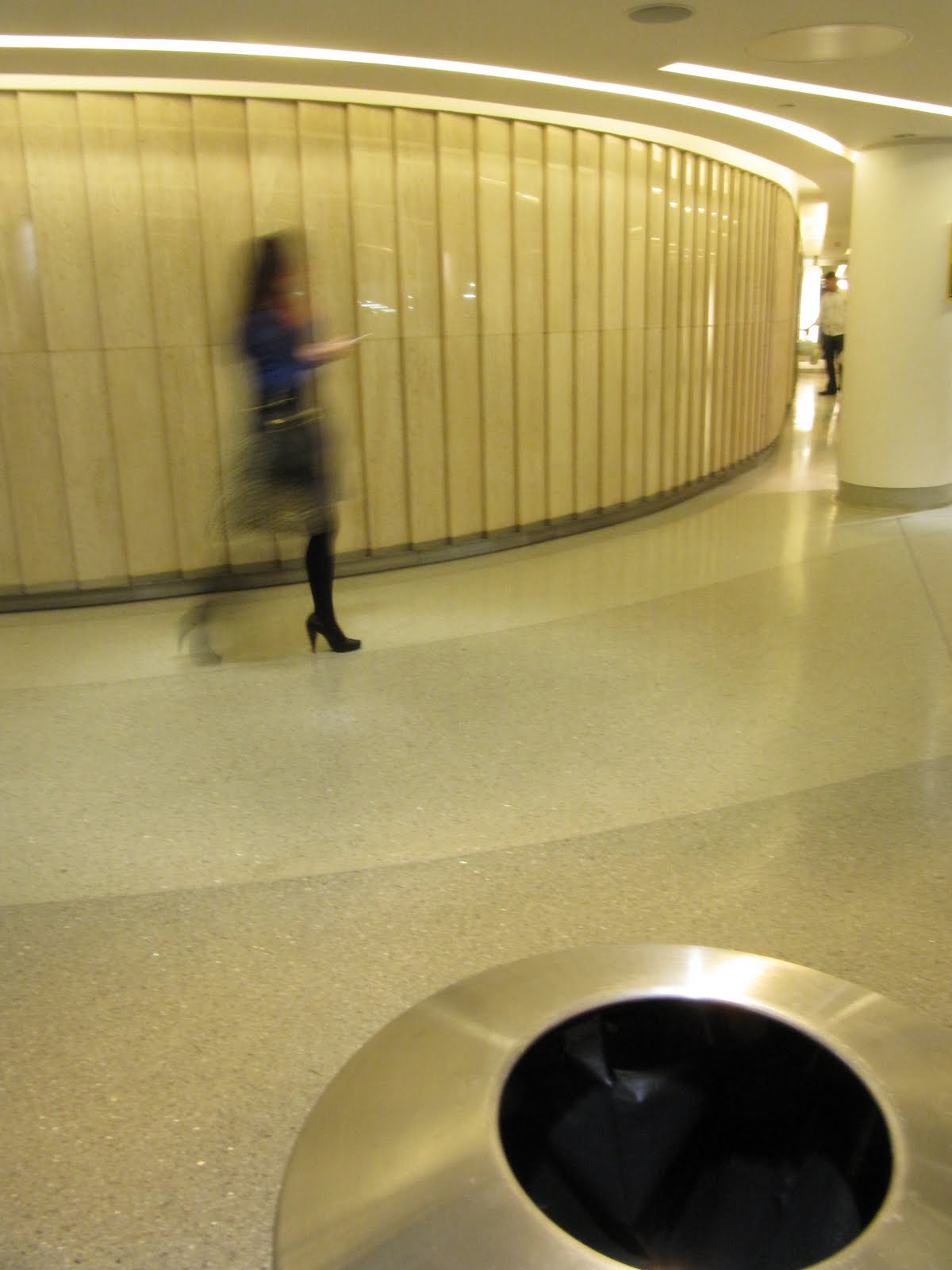

TfL, as is well known, are chary of mechanical reproduction, and, though I had the SLR, I preferred not to use it, afraid the sound of the mechanism, the whir as the system of mirrors chops away from the sensor and back, would bring unwanted attention. The compact, on the other hand, though quieter, and involving a slighter gesture - an appearance, indeed, often more of fiddling than shooting - I discovered in the Underground has other issues, a snowstorm of hexagonal orbs entering any image shot into light over darkness. Blowing to remove dust from the lens, though, found it unmovable, all on the inside, and, worse, moisture from the puffing got in there, too, a thick fog joining the flakes of flare.


It was Ruby, of the Goldhawk Road station café, who’d first made the connection: that a better class of customer could be persuaded in to Westfield from a catchment west as far as Heathrow, east all the way to the sea, suggested to her that more must be made of Goldhawk. Vast engine of gentrification, taking over not only the remaining imperial exhibition White City buildings, but also one of the last of the Inner London goodsyards to have been made over, these spaces around rails – King’s Cross, Paddington Basin, Broadgate one of the first – freed up by the smoother times of IT from goods, Westfield in scale alone a planner’s dream, where the atmosphere, meaning of a vast surrounding area could be transformed in repercussions at a blow. If the council now have eyes on Goldhawk, this is why, and, to sound the depth of the changes – changes echoing across the city, too, gravitational fields realigned - would require a visit.


My 2004 A-Z wall map marks the area in the same cartographic white that drew Conrad’s protagonist, and perhaps before him the man himself, into the dangerous Hell the Europeans were earlier making of the Congo. ‘Site of proposed White City development’ is all it will divulge, adding to the allure with an anomaly: that here in the future could lie the origin of the name.


Because certainly the source is up for grabs when it’s a question no one trustworthy will claim to resolve. Most agree that it appears to have emerged at the time of a 1908 exhibition of imperial flavour, but beyond that will only say that it may have referred to the white stuccoed acres of buildings in the Indian style, negative imports of Lutyens’ export London in Delhi. Having drifted around to the North and West under the gravity of the entertainment industry, the BBC studios and QPR/Fulham grounds, the flavour of the name has now become something of a phantom past or abandoned future, imperial castle perhaps of the air, vast mnemonic blank, calcined battlefront, necropolis or utopia, take your pick.


Above ground, where meteorological indecision veered between rain, grey, and sun to confirm the ambiguities below, shots were equally hard to take. I had of course visited the place many times after a buy, for specific business commissions what with the vast number of windows, or in the general way of research, though the retail world, despite the storm of reviews, is less shaken up by the arrival of something like this in its midst than are the wider behaviour patterns of the city, however much the latter prove less noticed or discussed.
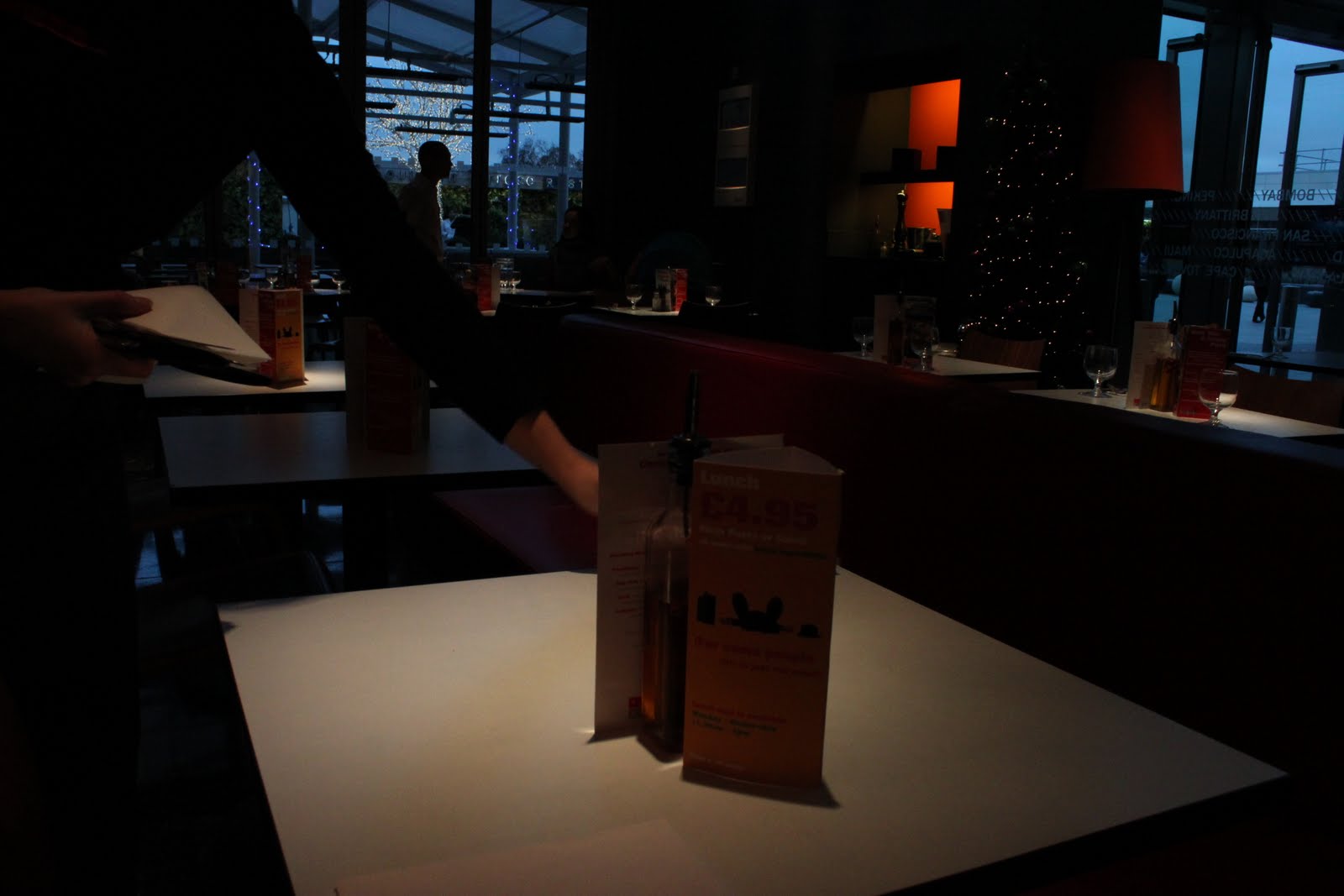

But today I wasn’t there in the way of that sort of research, and, those bearings gone, found myself frequently at a loss for subjects, lacking the pretexts either of work or shopping loosing concentration, drifting for long periods without aim until suddenly a subject appearing to suggest itself shooting something quite other – grasping at what I thought was a shopper and coming out with a reflection, catching a photograph where I’d intended a passerby, fumbling exposure in the vast gulfs staged in the place between light and dark, focus between solid and void, depth of field in a place with multiple layers all surface.


Pushing on into the jungle of crystal and glass, I began to doubt whether the proposed White City development ever happened, the name dropped, after all, for a reason. Although Westfield is certainly in the West as far as the city’s concerned, lying over brownfield land on the junction of the Westway and the West Cross Route, it was in the West of Sydney that the chain the name was formed for drove its first stake into the ground, taking over the field of a farm before mushrooming to include an international portfolio of proprietarily named malls our local’s only a page from. It would of course explain the trouble focusing, the sense of disorientation, repetition of one thing in another, dissolution of scale should Westfield, the concept, turn out more one of activity than place, a sudden change befalling an environment, a removal from context, a gravitational force and set of realignments in which for the visitor to participate must entail the same disorientation I’d been struggling against for shots.


If in Westfield Conrad’s Company comes home, it would be of its Kurtz I should doubtless go in search.


Any attempt at portrait work is of course hard here, few ready to risk being caught by a manager off job, and those who are, not for long – snaps must be quick, slipped in with a sudden chat which itself will illuminate no more than a chance fact from a vast terrain.


Ollie, from Israel, has noticed there a large number of his compatriots, and puts it down to aggression, related to conscription perhaps, a willingness to plunge endlessly into the pressed passage of custom with a smile and a product, an offer to shine the most recalcitrant nails in proof, again and again, undaunted.


Daniel, from Spain, found the job on Gumtree, has always worked in the food industry, and was happy to find work in what turns out to be one of the few – perhaps only – stores here independent of a chain. Tapas here’s different of course, without the sociality at home, but the quality’s good, the opportunity.

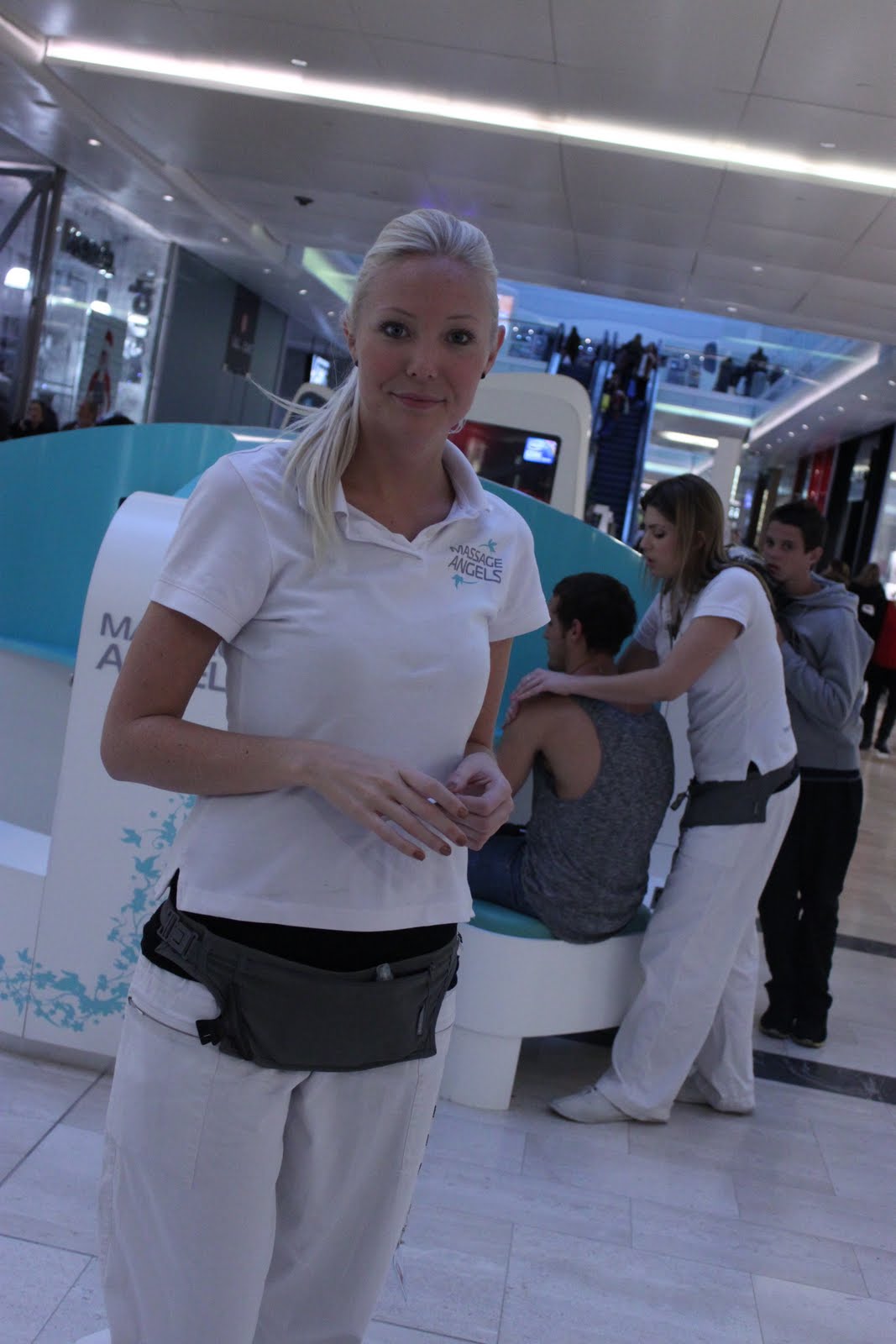
Of those I meet who agree to a photo, Linda comes from the nearest, in from Chiswick to work the Venture photography stall, selling trips to the Knightsbridge studios with the family, the loved one, for the most important story you ever told, bespoke. What she enjoys is the independence, the place, she suggests, a little town, a world in itself. In this little prism, all the world caught up in an image, perhaps, glittering, to measure, of its requirements and aspirations.


It’s Linda, also, who has about her, perhaps, something most resistant to the tendency of the place to seek to draw them into the disorienting terms, polished, of its own surfaces. However, as I attempt to photograph, I am, of course, at my most self-conscious before this confident mover in a world that finds me a baffled explorer. She seems slightly amused by how dark my result is. Flash is out of the question for the security guards, I explain: as I’ve learned from investigations elsewhere, there’s something about this type of space that resists photographers, must monopolise the production of image, reproduction, surface.


Personally, I’m attached to the way her presence retreats from the wider glare. It’s fine, she concedes, and, going innocently for the kill, as a snapshot, just what you want for a blog. Along with the dark it’s the scale, apparently – a portrait should have more focus, my desire to contextualise by the by.


Too late to remedy this here with this subject, the lesson, though, was learned: if Westfield was itself less a place than an upheaval that befalls one, a search for context, solidity or the fixed – the search for Westfield, in fact, at all – would be distracting from an ability to shoot.